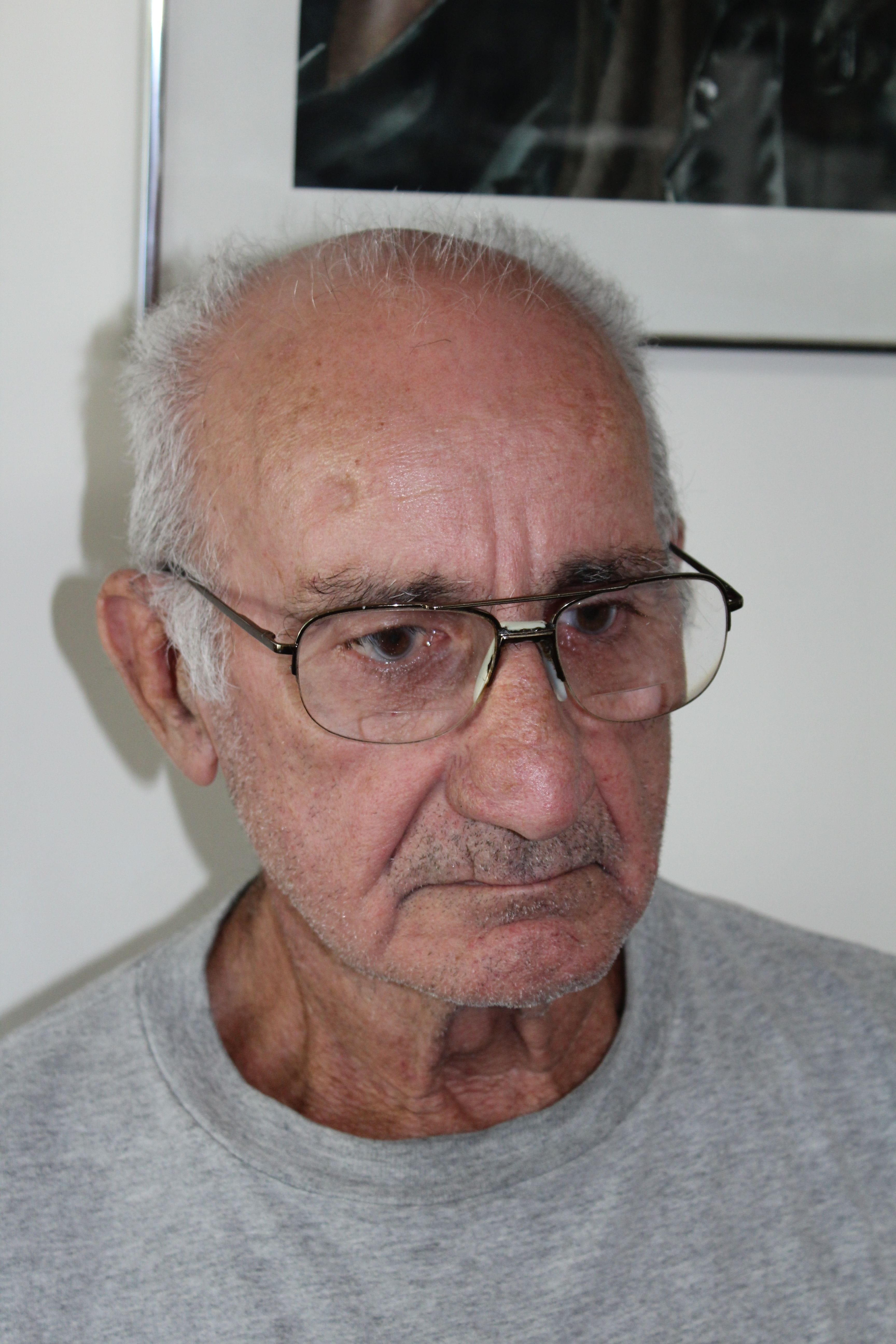
Orbital/Ocular/Eye Prosthetics
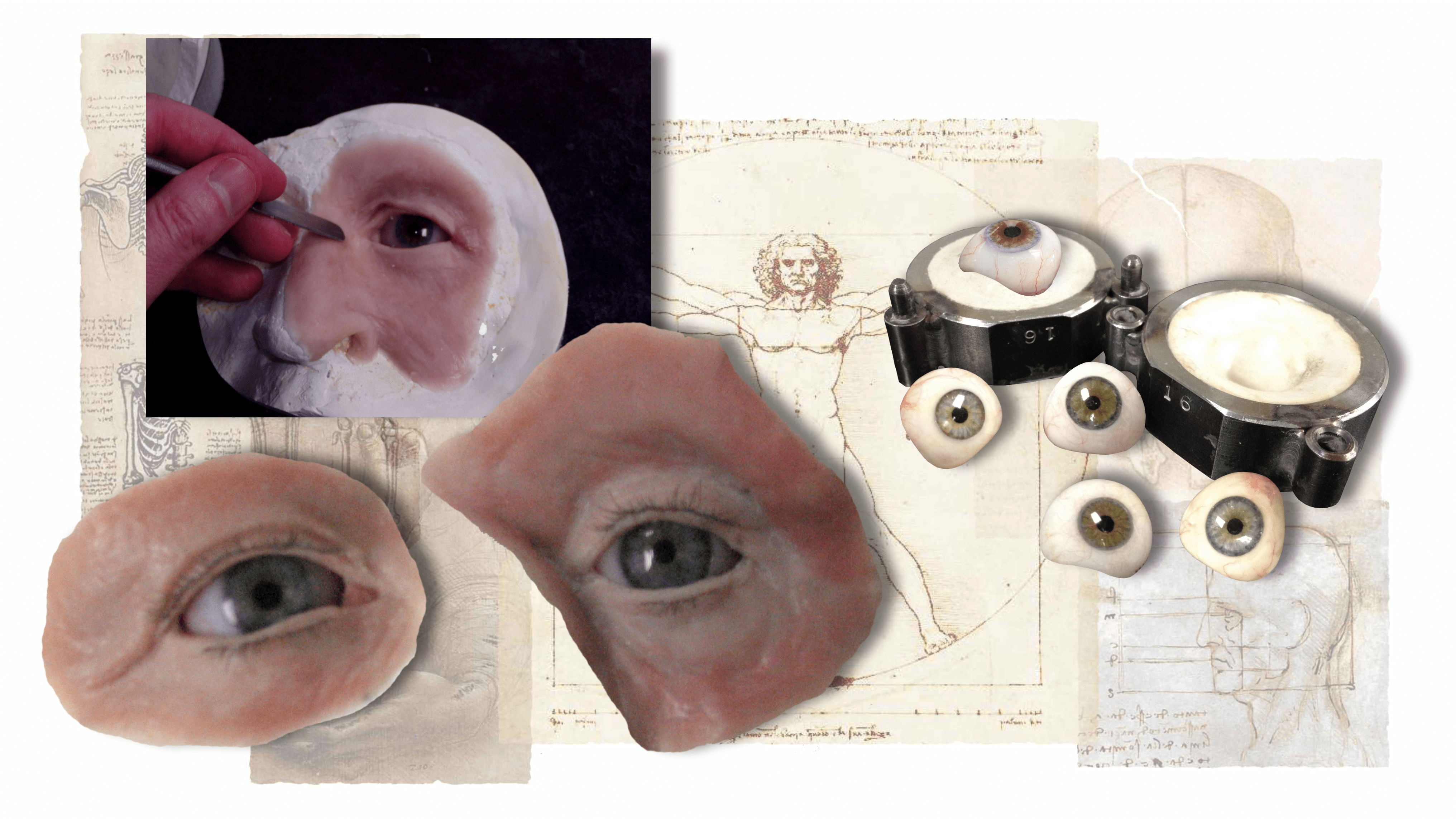
This page provides an overview of the orbital and ocular prosthetics we fit. An ocular prosthesis replaces just the eyeball, or globe, while an orbital prosthesis is needed when surrounding tissue is also missing — requiring a custom ocular component built into a larger, integrated prosthesis that restores the missing facial structure around the eye.
Each prosthesis is handcrafted from start to finish. In this picture a prosthesis is being readied to test for initial color match.
Orbital Prosthetics
Restoring form and function after significant tissue loss
An orbital prosthesis is needed when the eye and surrounding tissue — such as the eyelid, brow, or portions of the cheek — are missing. Rather than a single small component, this involves building an integrated facial prosthesis that houses a custom-matched artificial eye within a larger, sculpted restoration of the surrounding area.
Fitting begins with a detailed impression of the affected area to capture the surrounding anatomy accurately. From there, a wax model is sculpted to reestablish natural contours, symmetry, and the correct positioning of the eye before it's cast in silicone.
Retention methods vary by case and may include medical adhesive, eyeglasses, or, for some patients, connection to osseointegrated implants. Throughout the process, careful attention is paid to color matching, texture, and fine detail so the final prosthesis blends naturally with the patient's surrounding skin.
Fitting begins with a detailed impression of the affected area to capture the surrounding anatomy accurately. From there, a wax model is sculpted to reestablish natural contours, symmetry, and the correct positioning of the eye before it's cast in silicone.
Retention methods vary by case and may include medical adhesive, eyeglasses, or, for some patients, connection to osseointegrated implants. Throughout the process, careful attention is paid to color matching, texture, and fine detail so the final prosthesis blends naturally with the patient's surrounding skin.


Video can’t be displayed
Ocular Prosthetics
A small but meaningful restoration
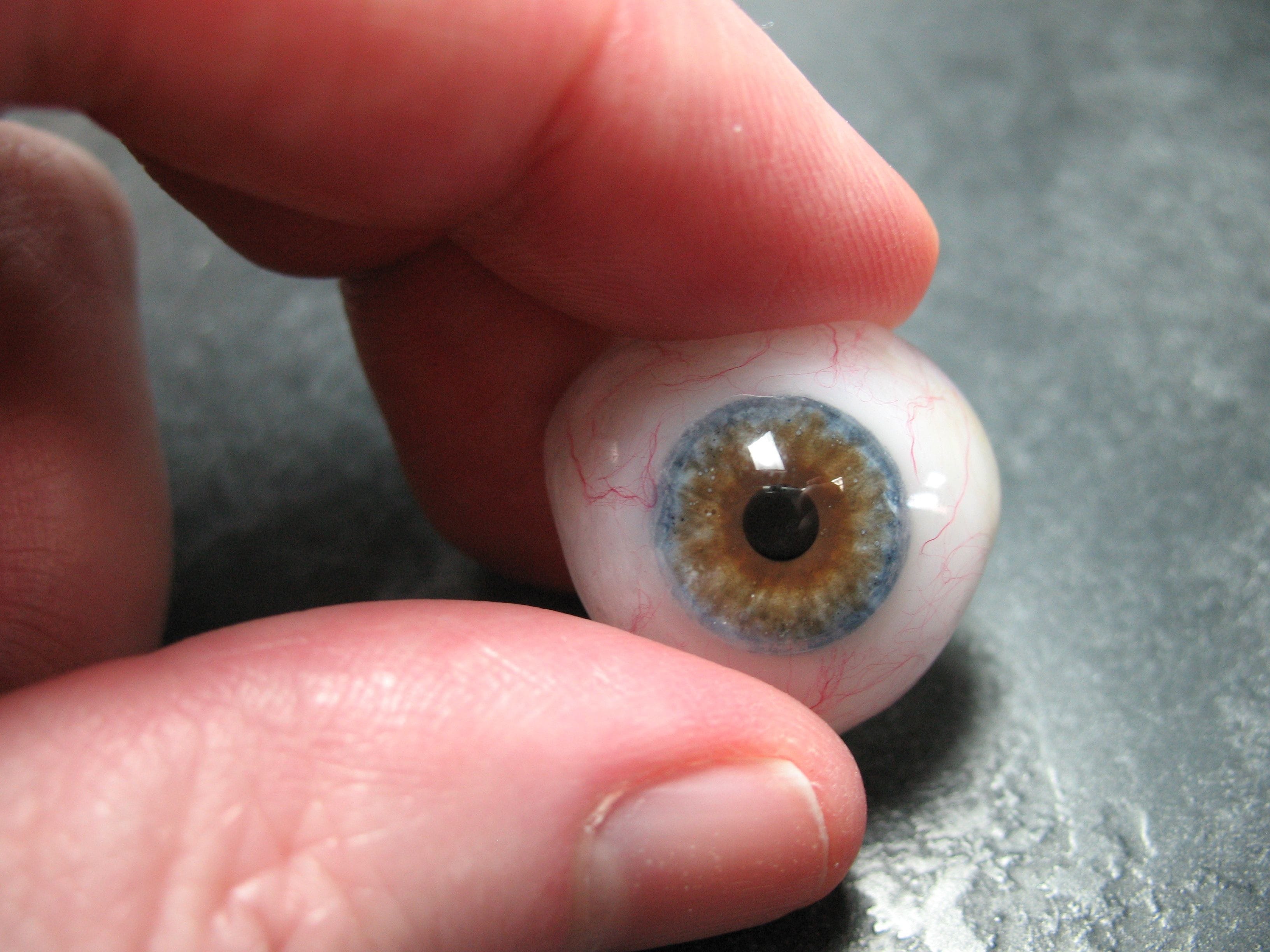
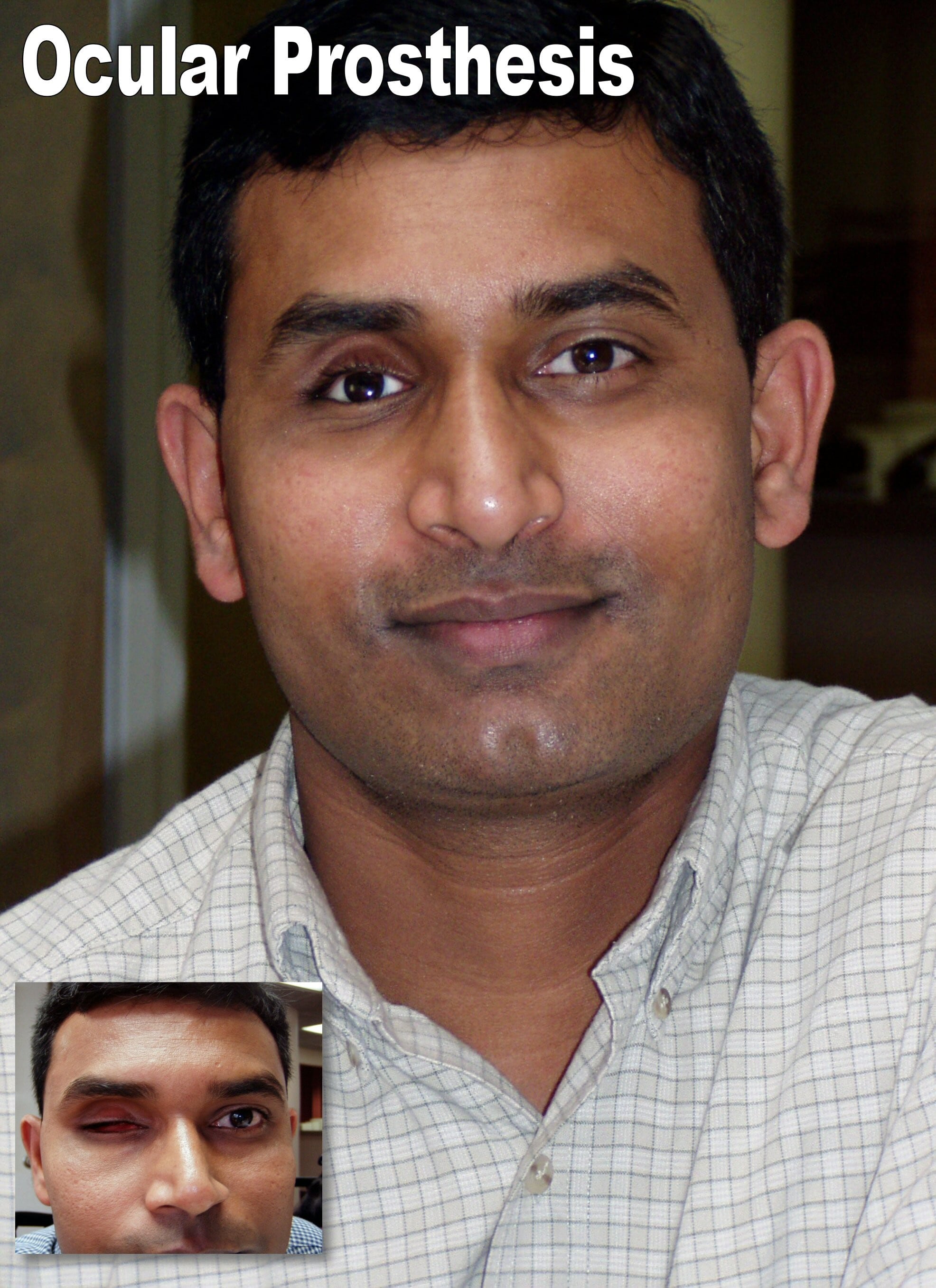
An ocular prosthesis replaces just the eye, or globe, but doesn't include the lid or any surrounding tissue. It can be removed for care, cleaning, and hygiene, and is custom made for each patient to match in color, detail, and size. It's retained in place by the patient's own eyelids.
Fitting begins either with a soft impression of the inside of the eye socket, or with a wax model that approximates the shape of the eye. The wax model can be adjusted to establish the correct iris size and gaze direction.
An iris is hand-painted to match the patient's eye color and detail, with an average pupil size determined for a natural look. Everything is assembled and given a final polish, with adjustments made to the finished piece as needed.
Fitting begins either with a soft impression of the inside of the eye socket, or with a wax model that approximates the shape of the eye. The wax model can be adjusted to establish the correct iris size and gaze direction.
An iris is hand-painted to match the patient's eye color and detail, with an average pupil size determined for a natural look. Everything is assembled and given a final polish, with adjustments made to the finished piece as needed.